What materials are used for creating die casting parts?
Aluminum, zinc, magnesium, copper, and lead/tin materials are used for creating die casting parts. Lund Manufacturing is a custom aluminum and zinc die cast manufacturer.
What is the difference between hot chamber and cold chamber die casting?
Hot chamber die casting melts the metal inside the machine and is ideal for lower-melting-point alloys like zinc and magnesium. This method offers faster cycle times.
Cold chamber die casting requires the molten metal to be ladled from a separate furnace into the shot sleeve. It’s used for higher-melting-point alloys such as aluminum and copper, and while the process is slower, it can withstand much higher temperatures.
What are the advantages of die casting compared to other manufacturing methods?
Die casting offers several advantages, including high production rates, excellent dimensional accuracy, the ability to create thin walls and complex geometries, low labor cost per part, good surface finishes, and minimal machining requirements.
What kind of tolerances can be achieved in die casting?
Die casting can achieve very precise tolerances compared to many other metal-forming processes. As a general rule, you can expect dimensional tolerances in the range of ±0.005–0.010 inches per inch. In areas where the tooling and process conditions are tightly controlled, even tighter tolerances are possible.
What is the typical lead time for production after tooling is completed?
Typical lead times for die-cast parts are usually 1–3 weeks, but this can vary based on several factors. The biggest influences include PPAP approval, which must be completed before production can begin, as well as current scheduling and machine availability. More complex parts, secondary operations, or finishing requirements may also extend the timeline.
What post-processing options are available?
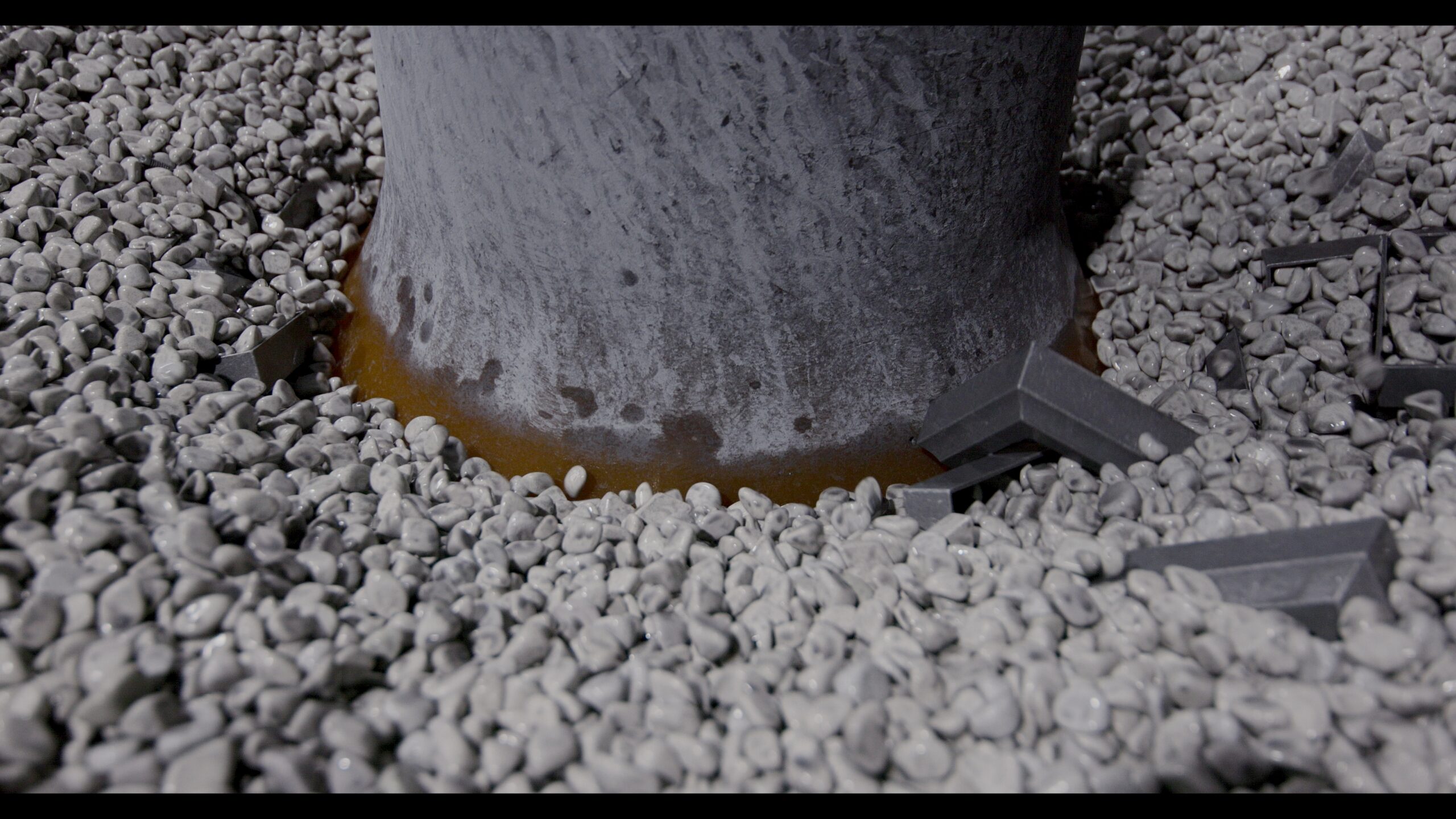
At Lund Manufacturing, we offer a full range of post-processing options to meet your part and finish requirements. These include shot blasting, tumbling, deburring, and CNC machining for enhanced precision and surface quality. We also provide leak sealing (impregnation) to improve porosity performance, as well as powder coating and painting for durable, high-quality finishes.